Ducati’s L-twin engines use desmodromic valve gear, valves closed mechanically rather than by springs, which needs a specific service at set intervals and costs more than a spring-valve engine to have done properly. That single detail shapes how a lot of Ducati owners think about parts: if the engine service bill is already substantial, a cheaper used fairing panel or trellis frame component starts to matter a great deal more.
Our floor at Derrimut carries Monster, Multistrada, Panigale and Supersport models as they come through. Every part is catalogued against model and year in the shop before it’s listed for sale.
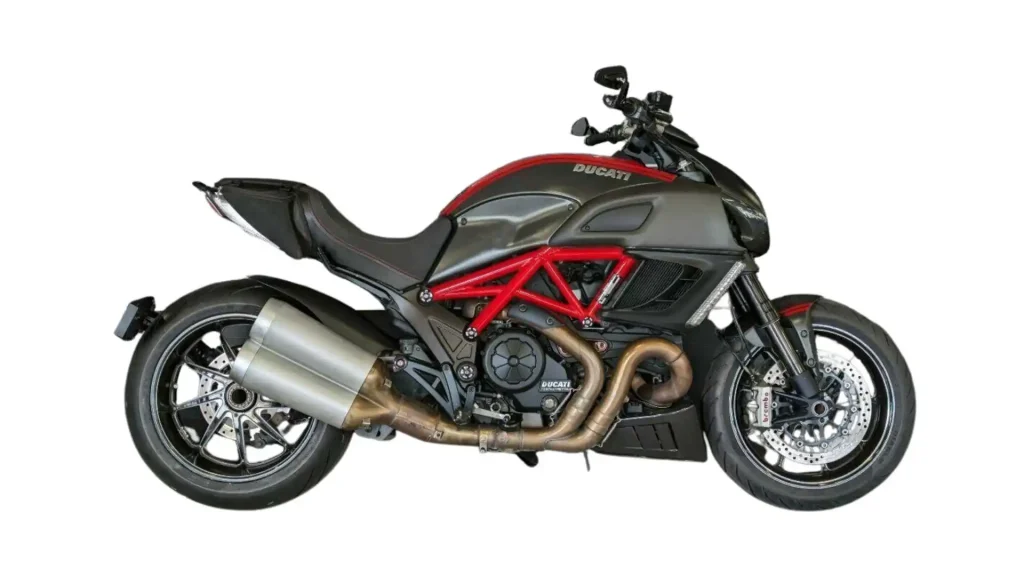
Monster and Multistrada models get stripped for bodywork, subframes, wheels, exhausts and engines, with the trellis frame and any bolt-on subframe sections checked carefully given how central the frame is to how these bikes are built. Panigale and Supersport models come apart for fairings, tanks, clip-ons and engines, since fairing damage is one of the most common reasons a Ducati ends up at a wrecker at all.
Every part is checked against model and year before it’s listed in the used parts shop, since Ducati’s model updates can change bodywork and electrics even within a familiar model name.
Because Ducati’s desmodromic valve system needs specialist servicing at set intervals, owners are already budgeting more for upkeep than most brands require. A used fairing, subframe section or wheel that’s already been checked keeps the rest of ownership from getting any more expensive than it needs to be on top of that servicing bill.
New bodywork, exhausts and electronics from a Ducati dealer carry pricing that reflects the brand’s positioning, and freight on imported components adds to it further. A used part off a donor bike already in the country is typically a fraction of that cost.
Ducati’s tubular trellis frame and 90-degree L-twin engine are genuinely different from the aluminium beam frames and inline engines most other brands here use. That means fewer generalist parts sources exist, so a wrecker who actually understands the platform is worth more on Ducati than on a mainstream brand.
A dropped Panigale or Supersport in a car park or at a track day often means cracked fairings rather than mechanical damage. A full new fairing kit is a serious cost; used panels off a similar donor bike are a fraction of it, and usually available faster too.
A crashed or dropped Monster, Multistrada or Panigale rarely needs writing off completely. Bodywork, a subframe section or engine covers off a similar donor bike are often enough to get it back together for a fraction of what a dealer repair and desmo-aware labour would cost.
Ducati sells in smaller numbers here than the mainstream Japanese brands, so fewer bikes reach wreckers and dealer stock for older models runs out fast. A wrecker holding stock across several model years is often the more reliable source once a part falls out of active dealer support.
Because Ducati volumes are lower here than mainstream Japanese brands, we keep close track of exactly which model and year a part came off before it’s listed, rather than lumping similar-looking generations together under one entry. Search the shop for current stock, or use the parts finder for anything not yet online. Given how much a new fairing kit or exhaust system costs through a dealer, it’s worth checking used stock before committing to a new-parts order, even for smaller items that might not seem worth the enquiry. Monster and Multistrada owners typically ask about subframes and pannier mounts, since those take the brunt of a low-speed tip-over or a loaded touring trip, while Panigale and Supersport buyers are almost always after fairings first, followed by wheels and exhausts once the cosmetic damage is sorted. If you’re after something less common including an older Monster generation, or a Supersport-specific component it’s still worth asking, since not every part makes it into the online catalogue the same week it’s pulled.
A Ducati’s frame number tells us more than most riders realise. Monster and Multistrada bodywork changed across frame generations that share the same model name, so that number is checked before we confirm any part as a genuine match. Fluids are drained first, then the trellis frame and any bolt-on subframe sections are inspected for straightness before the rest of the bike is stripped down for fairings, wheels and the engine.
Engines are compression-tested and run where the bike allows it, with desmodromic service history noted honestly where it’s known rather than guessed at. Fairings are checked under strong light for stress cracks around mounting points, which is where Ducati plastics fail first after a drop. Trellis frame sections are checked for impact damage that isn’t always obvious from a cosmetic glance. Nothing goes up for sale until it’s actually been assessed properly.
Check current stock in the shop, or send your model and year through contact us and we’ll tell you honestly what’s been checked on any part before it ships.
Everything we sell comes off a real donor bike stripped at our own site. Can’t see what you need in the shop? Get in touch through contact us and we’ll check it against what’s coming apart next.
Confirm exact model and year rather than relying on the model name alone. The Monster and Multistrada ranges in particular spanned different frame and bodywork generations under the same name, so a panel or subframe section from one generation doesn’t automatically fit another.
For fairings and bodywork, ask about cracks and stress damage around mounting points, which is where Ducati plastics fail first after a drop or a track day off. For an engine, ask what it was checked for when pulled including compression, obvious internal wear, whether it ran under its own power before removal and ask specifically about desmodromic service history if it’s known, since that affects what condition the valve gear is likely to be in after however many kilometres the donor bike covered. For wiring and electronics, ask whether components were tested rather than just inspected visually.
For a trellis frame section, ask about straightness and any signs of impact, since a frame that looks cosmetically fine can still have taken a knock worth knowing about before you commit to fitting it. If you’re not certain a part suits your exact model and year, send the details through the parts finder before ordering. It costs nothing to check, and it beats discovering a mismatch after paying for freight on the wrong panel.
Before ordering, have your Ducati’s exact model and year ready, since bodywork and frame generations changed more often than the model name suggests. Know whether you’re chasing fairings, an engine component or something electrical, since the checks differ for each. Photos of the damaged part speed up confirming a match.
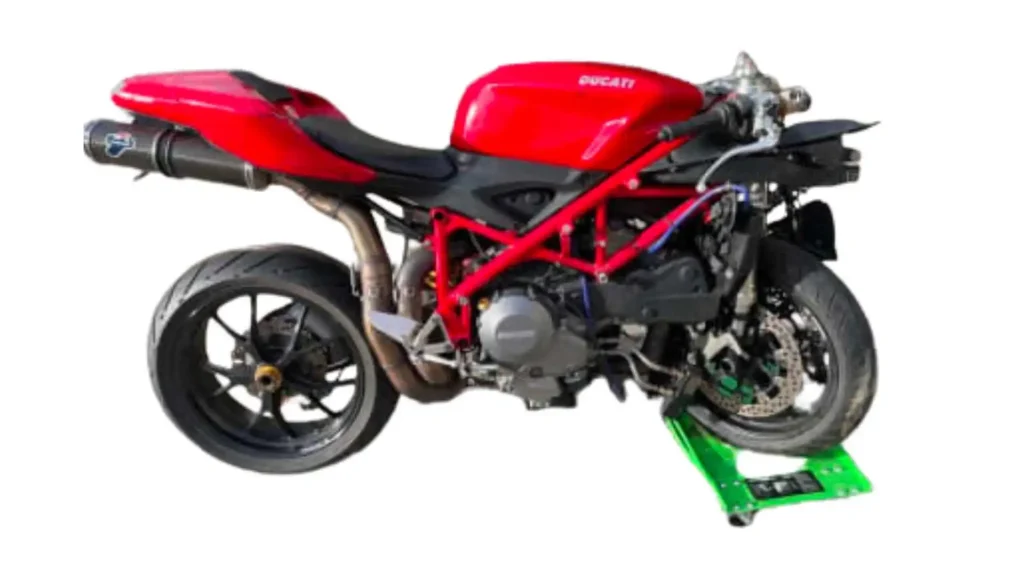
Because desmo servicing already adds to the cost of Ducati ownership, checking the used parts shop first is a straightforward way to keep the rest of a repair affordable.
Every Ducati part ships from 145–147 Australis Drive, Derrimut VIC 3026, by road freight. Small components and fairings go out as parcels; engines, wheels and frame sections are palletised for the trip. Given how much a new equivalent costs through a dealer, we take extra care packing Ducati parts so they arrive in the same condition they left in.
Local buyers can collect in person during opening hours, Monday to Sunday, 9am to 5pm. Everyone else, wherever they are in Australia, gets the same part in the same condition it left Derrimut in. Call 0408 795 705 or use contact us to confirm freight before ordering.
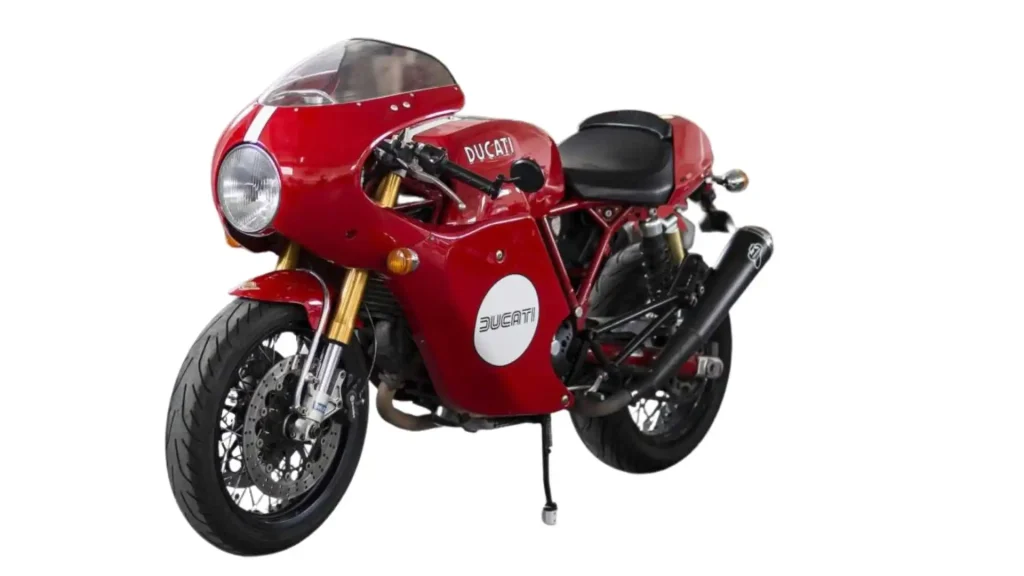
Ducati dealer pricing reflects the brand’s premium positioning and import costs, and it’s among the highest we deal with. A used part off a donor bike already in the country and already stripped is usually a fraction of that price.
Where it’s known, we’ll tell you. If the desmo service history of a donor bike isn’t documented, we’ll say so honestly rather than guess, so you can factor that into your own service planning before fitting the engine.
Not always. Panigale generations changed fairing shape and mounting points more than once. Give us your exact model and year and we’ll confirm interchange before you order, rather than assuming a similar-looking Panigale is a safe match.
No. Every part we sell is a used component recovered from a dismantled Ducati. We are not an authorised Ducati dealer and don’t sell new genuine OEM parts. Everything is inspected before it’s listed for sale.
Parts are checked and tested before sale where possible. Engines for compression, fairings for cracks, looms for continuity. Ask about specific warranty terms for the part you’re buying, and see our FAQ page for general terms.
Yes. We buy non-running, crashed and unwanted Ducatis across Monster, Multistrada, Panigale and Supersport models. Send details and photos through sell your bike and we’ll price it on model, condition and what’s sellable off it.
We buy Ducati bikes for wrecking in any condition. A dropped Panigale, a tired Monster, a non-running Multistrada, or anything not worth the cost of a dealer repair. Given how expensive equivalent new parts and desmo-aware labour are through a dealer, a well-stripped Ducati is one of the more valuable donor bikes we take.
Send details and photos through sell your bike or call 0408 795 705. We’ll price it on model, year, condition and what’s realistically sellable off it, then organise pickup. See cash for bikes for how pricing works.
Popular Ducati motorcycle models we service include Panigale V4 and earlier superbikes, Monster, Supersport, Multistrada, Diavel, Hypermotard, Streetfighter, Scrambler and the classic 916. Used parts include fairings, frames, desmodromic-related engine parts and single-cylinder donor pieces where stock exists.
Premier Ducati motorcycle wrecker services photograph condition honestly. Italian sport-bike bodywork is easy to crack. Ask before you order. Call 0408 795 705.

Motorcycle Wreckers Melbourne in Derrimut, VIC, supplies used dirt and road motorcycle parts from donor bikes. Open 7 days, 9am–5pm. Call 0408 795 705.
Copyright © 2026 Motorcycle Wreckers Melbourne. All Rights Reserved.
Copyright © 2026 Motorcycle Wreckers Melbourne. All Rights Reserved.